


The Most Common Texas Holdem Mistakes


Welcome to the thrilling world of Texas Holdem poker, the most exciting type of poker. This guide will break down the different aspects of Texas Holdem poker online. We’ll look at the pros and cons, how to avoid common mistakes, and tips that will help you win at the table. Whether you’ve played Texas Holdem online before or this is your first time, this short guide will help you get the most out of the game. Let’s mix up the cards and start a trip to help you get better at poker online.
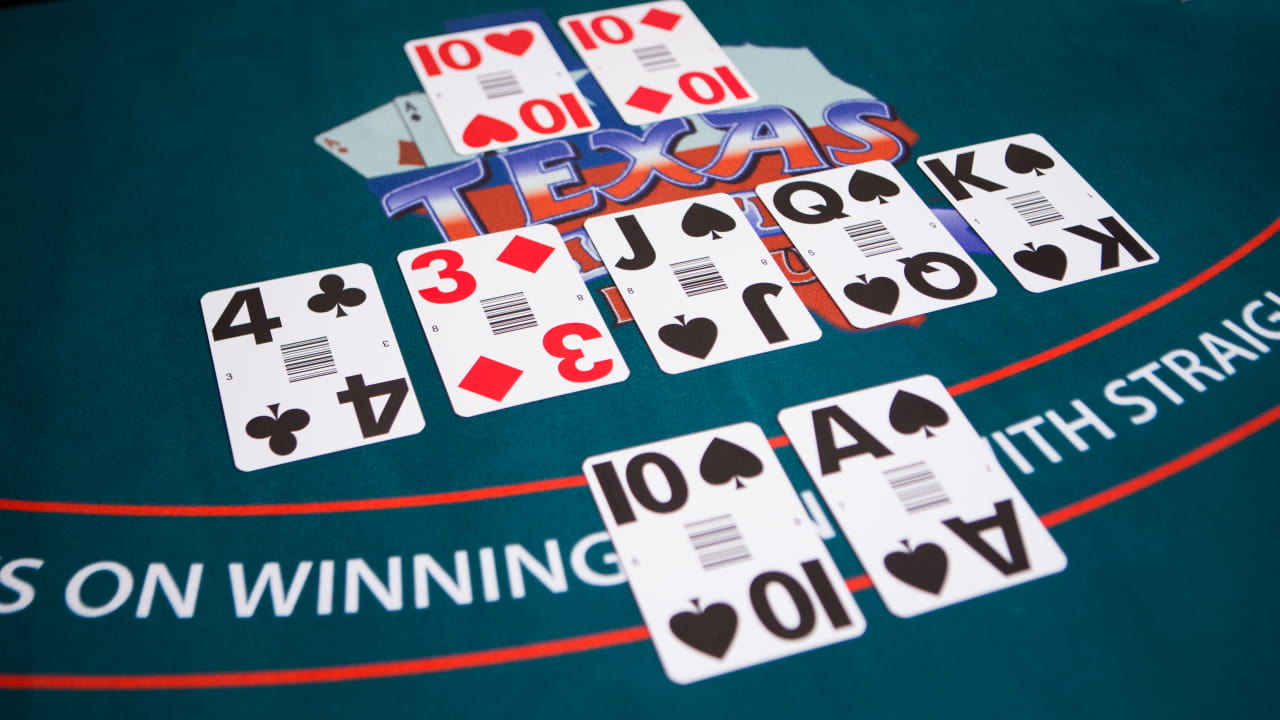
What Is Texas Holdem?
Texas Holdem poker is a thrilling card game that combines easy strategies with complex ones. It is often called the crown jewel of the huge and varied world of poker. This variant has become a favourite among players all over the world thanks to its unique mix of skill, psychology, and flexibility.
In Texas Holdem poker, each player starts with two secret cards, which are called “hole cards.” During the game, five community cards are dealt face-up on the table, which adds to the excitement. The challenge is to make the strongest hand possible by mixing these private and public cards in a smart way. Having this mix of danger, strategy, and secrecy makes for an interesting poker game.

Advantages of Texas Holdem Compared to Other Types of Poker
Texas Holdem poker is the most popular type of poker because it has a number of important benefits that make it so popular:
Moving Gameplay
- Always-Changing Possibilities: Because community cards are used in every round, no two hands are ever the same, which adds a bit of luck for Texas Holdem poker.
- Adaptability: Players have to change their strategies all the time based on the new options that the shared cards bring up.
Depth of Strategy
- Focus on Skill: Texas Holdem poker requires players to be very skilled because they have to think carefully about their moves and read their opponents.
- Engaging the Mind: The strategic depth of Texas Holdem poker takes it beyond randomness and keeps players in a steady intellectual dance of wits.
Part psychological
- Blinds and placement: Adding blinds and strategic placement adds a psychological element that changes how decisions are made and how the table moves at Texas Holdem poker.
- Behavioural analysis: To be good at a game, you have to pay close attention to how your opponents act and guess what they’ll do based on the little information you have.
Appeal to Everyone
- Simple Rules: Because the rules of Texas Holdem poker are simple, players of all skill levels can play. This makes the game’s player group large and varied.
- Flexibility: The game is fun for everyone, no matter where they play or how good they are. It doesn’t matter if they are a beginner or a pro.
Tournaments that are fun
- Events that are among the best in the world: Texas Holdem poker is often played at the World Series of Poker (WSOP), which brings in the best players.
- Competitive Intensity: Tournaments show off how competitive the variant is, making an exciting atmosphere that draws in both players and onlookers.
Several Strategies
- Different Ways to Play: The mix of hole cards and community cards lets you play in a variety of ways, from being tight and aggressive to being loose and quiet.
- Strategic Choices: Players at Texas Holdem poker can change how they play by making tactical decisions based on how the game is changing.
Common Texas Holdem Mistakes
To do well in Texas Holdem poker, players need to know not only the rules but also how to spot and avoid common mistakes that can cost them a lot of money. Let’s learn more about these common mistakes and look at some good ways to avoid them.
Playing Too Many Hands
Mistake: Excited players often give in to the temptation of playing in more than one hand, even if their cards aren’t very good.
As a result, playing too many hands makes it harder to concentrate and leaves you open to opponents with stronger cards.
Solution: Be careful when choosing your hands at Texas Holdem poker. Choose quality over quantity and only play in hands where you have good starting cards to improve your chances of winning.
Ignoring Position
Mistake: A common mistake is to not think about how important your seat at the table is. If you play weaker hands out of position, you may be at a big strategic loss.
Because of this, ignoring position makes it harder to make decisions and get the most value from good hands.
Answer: Pay attention to where you are in relation to the dealer button at Texas Holdem poker. You should change your plan so that you play stronger hands from later positions and are safer from early positions.
Overvaluing Weak Hands
Mistake: A common mistake that causes people to lose money is overestimating the strength of hands that are naturally weak.
Because of this, putting too much value on weak hands can cause you to lose chips to better opponents.
Solution: Give yourself an honest opinion of how strong your hand is. Do not give in to the urge to put a lot of money into hands that are not likely to get much better at Texas Holdem poker.
Failing To Pay Attention To Opponents
Mistake: Not noticing your opponents’ game habits and patterns is a big mistake that can make it harder to make smart decisions.
Because of this, not paying attention to opponents can cause you to miss chances and make bad decisions that cost you a lot of money.
Answer: Keep an eye on your opponents during the game. Find out how they play and what note patterns they use, and then use that knowledge to make your strategy work better at Texas Holdem poker.
Going On Tilt
Going on tilt, which means giving in to your feelings, can lead to illogical and dangerous play, especially after a frustrating loss.
As a result, emotional play makes it more likely to lose a lot of money and makes it harder to make good decisions generally.
Solution: Take control of your emotions first. Take breaks when you need to so you don’t make hasty choices when you’re upset or angry.
Mismanaging Bankroll
Mistake: Bad bankroll management, like spending more than you can afford, can make a player lose a lot of money and not last long at the table of Texas Holdem poker.
Consequence: Bad management can cause financial uncertainty, which could force you to quit the game early.
Solution: Make clear limits on your bankroll based on your own financial situation. Stay away from high-stakes games that are too hard for you.
Neglecting Blinds And Antes
Mistake: Not thinking about how blinds and antes affect your plan can cause you to miss out on chances or lose money you don’t need to.
If you don’t pay attention to the blinds and antes, you might not get the most out of your good hands.
Solution: Think about how these forced bets will change your approach. As the blinds go up, you should change how you play Texas Holdem poker because they affect the size of the pot.
OverBetting Or UnderBetting
Mistake: If you don’t find the right balance when betting, you could either scare off other players (overbet) or not get the most out of your bets (underbet).
As a result, bets that are placed too high may not maximize value, and bets that are placed too low may miss chances to profit from good hands.
Solution: Look at how strong your hand is and how the table of Texas Holdem poker is moving. Make your bets fit the situation and find the best mix between being aggressive and getting value.
Failure To Adapt
Mistake: A common mistake is sticking to one style of play without changing when things change at the table.
If you don’t adapt, you might miss out on chances and be taken advantage of by opponents who are smart.
Solution: Be open to different ways of doing things. You should change your plan based on how your opponents play Texas Holdem poker and how the game is going.
Not Learning From Mistakes
Mistake: Skill growth and improvement can’t happen if you don’t look at your mistakes and learn from them.
As a result, Texas Holdem poker players make the same mistakes over and over, which slows down progress.
Answer: Carefully write down everything you do during the game. Regularly look at your hands to find your weaknesses and keep improving your approach to keep getting better.
Not Knowing The Rules
Mistake: Not fully understanding the rules is a basic but very important mistake.
Because people don’t know the rules, they may break them without meaning to, which can lead to punishments.
Solution: Take the time to learn the rules of Texas Holdem poker inside and out. Review them often to make sure you fully understand and follow them.
Not Reading Poker Literature
Mistake: Texas Holdem poker Players miss out on useful tips and strategies when they don’t read the many books and articles about poker.
Consequence: Lack of exposure to literature can impede skill growth and strategic refinement.
Solution: Dedicate time to reading poker literature from experienced players and authors. Learn from their experiences and incorporate new strategies into your gameplay.
Tips To Help You Be Successful At Texas Holdem
Mastering Texas Holdem poker is an art that goes beyond avoiding common mistakes. It requires a strategic mindset, adaptability, and a comprehensive understanding of key aspects of the game. Let’s explore a set of in-depth tips to empower you on your journey to success at the Texas Holdem poker table.
Starting Hand Selection
Tip: A disciplined approach to starting hand selection sets the foundation for success in Texas Holdem poker.
Strategic Approaches:
1. Understand Hand Rankings
- Poker Hand Hierarchy: Familiarize yourself with the ranking of Texas Holdem poker hands.
- Top Hands Awareness: Recognize the value of premium hands like pocket pairs and high-ranking cards.
2. Play Tight in Early Positions
- Early Position Caution: Adopt a tighter starting hand range in early positions.
- Risk Mitigation: Minimize risk by playing stronger hands from positions where you lack information about opponents’ actions.
3. Gradual Expansion in Middle Positions
- Widening Range: Gradually expand your starting hand range in middle positions.
- Information Gathering: Use the additional information gained from early positions to make more informed decisions.
4. Flexibility in Late Positions
- Wider Range in Late Positions: Take advantage of positional flexibility to play Texas Holdem poker with a wider range of hands in late positions.
- Blind Exploitation: Exploit the blinds by playing more hands from late positions.
5. Adjust to Table Dynamics
- Assess Opponent Styles: Analyze opponents’ playing styles and adjust your starting hand selection accordingly.
- Exploit Weaknesses: Capitalize on the weaknesses of opponents by adapting your range.
6. Value of Suited Connectors and Gappers
- Suited Connectors: Recognize the value of suited connectors and use them selectively in your range.
- Gap Concept: Understand the gap concept – playing hands with a gap between card ranks – for strategic advantage.
7. Respect Table Image
- Image Consideration: Be mindful of your Texas Holdem poker table image when selecting starting hands.
- Image Exploitation: Exploit opponents’ perceptions by adjusting your range based on your current table image.
8. Positional Awareness in Blinds
- Blind Defense: Defend your blinds strategically by considering your position.
- Exploit Late Position: Capitalize on positional advantages, especially when facing late-position raises.
9. Adjusting to Betting Action
- Response to Raises: Adjust your starting hand selection based on opponents’ raises.
- Fold Discipline: Exercise discipline in folding weaker hands when facing substantial bets.
10. Continuous Hand Evaluation
- Review and Adapt: Regularly review your starting hand decisions and adjust your Texas Holdem poker strategy based on performance.
- Continuous Learning: Embrace a mindset of continuous improvement by learning from each hand played.
Position Awareness
Tip: Mastering positional awareness is a fundamental aspect of strategic play in Texas Holdem poker.
Strategic Approaches:
1. Understand Positional Hierarchy
- Early, Middle, and Late Positions: Grasp the significance of early, middle, and late positions at the Texas Holdem poker table.
- Information Advantage: Recognize the informational advantage gained in later positions.
2. Early Position Caution
- Tighten Starting Hand Range: Exercise caution in early positions by playing a tighter range of starting hands.
- Avoid Vulnerability: Minimize vulnerability by entering pots with stronger hands from early positions.
3. Exploit Late Position Flexibility
- Wider Range: Take advantage of the flexibility in late positions to play a wider range of starting hands.
- Information Accumulation: Gather more information about Texas Holdem poker opponents’ actions before making decisions.
4. Adjust to Opponents
- Opponent Observation: Observe opponents’ tendencies and adapt your Texas Holdem poker strategy based on their playing styles.
- Exploit Weaknesses: Adjust your level of aggression or caution depending on the perceived strengths and weaknesses of opponents.
5. Leverage Position for Blinds
- Blind Stealing: Exploit late position for strategic blind stealing.
- Pressure on Blinds: Apply pressure on Texas Holdem poker opponents in the blinds, particularly in late positions.
6. Postflop Positional Advantage
- Decision Flexibility: Leverage post-flop positional advantage for more informed decision-making.
- Controlled Aggression: Exercise controlled aggression when holding positional advantage after the flop.
7. Bluffing from Late Positions
- Bluffing Opportunities: Recognize opportunities to bluff when in late positions.
- Capitalizing on Information: Capitalize on the information gathered from Texas Holdem poker opponents’ actions in earlier positions.
8. Adjusting Bet Sizes
- Bet Sizing Strategy: Adjust bet sizes based on your position at the table.
- Maximize Value: Increase bet sizes in later positions to maximize value from stronger hands.
9. Awareness of Table Dynamics
- Adapt to Game Flow: Be mindful of the overall dynamics at the table and adapt your strategy accordingly.
- Table Image Consideration: Factor in your Texas Holdem poker table image and adjust your positional play based on how opponents perceive you.
10. Table Position as an Information Tool
- Collect Information: View your Texas Holdem poker table position as a tool for collecting valuable information.
- Informed Decision-Making: Use the information gathered to make more informed decisions throughout the game.
Aggressive Play
Tip: Embracing controlled aggression can be a powerful strategy to dominate the Texas Holdem poker table.
Strategic Approaches:
1. Seize Opportunities
- Identify Weakness: Look for opportunities to be aggressive when opponents show signs of weakness.
- Exploit Vulnerabilities: Capitalize on situations where opponents are likely to fold under pressure.
2. Mix Up Your Play
- Varied Playing Styles: Incorporate a mix of aggressive and more passive plays.
- Confuse Opponents: Keep Texas Holdem poker opponents guessing by avoiding predictability in your playing style.
3. Positional Awareness
- Leverage Position: Utilize your position at the Texas Holdem poker table to maximize the impact of aggressive plays.
- Late Position Advantage: Be particularly aggressive in late positions where you have more information on opponents’ actions.
4. Recognize Optimal Moments
- Assess Table Dynamics: Evaluate the overall dynamics at the table to identify optimal moments for aggression.
- Timing is Key: Choose moments when aggression is more likely to succeed based on the current game flow.
5. Use Aggression as a Weapon
- Build Pot Size: Aggressively build the pot when holding strong hands.
- Generate Fold Equity: Use aggression to force Texas Holdem poker opponents to fold, increasing your chances of winning without a showdown.
6. Adjust to Opponent Reactions
- Read Responses: Observe how Texas Holdem poker opponents react to your aggressive plays.
- Adapt Strategy: Adjust your level of aggression based on opponents’ tendencies and responses.
7. Balance Aggression with Caution
- Strategic Balance: Find the right balance between aggressive and cautious plays.
- Avoid Recklessness: Resist the temptation to be overly aggressive, especially with weaker hands.
8. Mindful Bet Sizing
- Optimal Bet Sizes: Adjust your bet sizes to make them both intimidating and strategic.
- Create Pressure: Use bet sizing to apply pressure on Texas Holdem poker opponents and limit the odds they receive.
9. Intimidation Factor
- Project Confidence: Display confidence in your aggressive plays.
- Intimidate Opponents: Intimidate Texas Holdem poker opponents by showcasing a fearless approach.
10. Continuation Betting
- Postflop Aggression: Practice continuation betting after the flop to maintain control.
- Capitalizing on Initiative: Leverage your preflop aggression with a well-timed continuation bet.
Bluffing Wisely
Tip: Bluffing is an art that, when executed wisely, can significantly impact your success at the Texas Holdem poker table.
Strategic Approaches:
1. Choose Your Spots
- Selective Bluffing: Opt for bluffing in situations where opponents are likely to fold.
- Target Weakness: Identify Texas Holdem poker opponents with tendencies to fold under pressure.
2. Consider Table Image
- Table Perception: Be aware of the image you project at the table.
- Exploit Image: Use your Texas Holdem poker table image strategically to enhance the effectiveness of your bluffs.
3. Be Mindful of Betting Patterns
- Opponent Betting Analysis: Analyze Texas Holdem poker opponents betting patterns for potential weaknesses.
- Exploit Predictability: Exploit opponents who exhibit predictable betting behaviours.
4. Size Your Bets Appropriately
- Bet Sizing: Adjust your bluffing bet sizes based on the situation and opponents.
- Create Confusion: Use varied bet sizes to make it challenging for Texas Holdem poker opponents to read your intentions.
5. Mix Up Your Play
- Variety in Actions: Avoid becoming too predictable by incorporating a mix of bluffs and value bets.
- Maintain Uncertainty: Keep Texas Holdem poker opponents guessing about the strength of your hand through diverse gameplay.
6. Be Conscious of Table Dynamics
- Adapt to Game Flow: Adjust your bluffing frequency based on the overall dynamics at the table.
- Exploit Situational Opportunities: Capitalize on moments when the table dynamics create favourable bluffing opportunities.
7. Recognize Vulnerable Opponents
- Identify Weaknesses: Observe Texas Holdem poker opponents for signs of vulnerability or indecision.
- Exploit Weakness: Bluff strategically against opponents who may be more prone to folding.
8. Timing is Key
- Choose Optimal Moments: Bluff at opportune moments when opponents are more likely to be receptive to a bluff.
- Avoid Predictability: Vary your bluffing timing to prevent Texas Holdem poker opponents from catching on to your patterns.
9. Factor in Position
- Positional Advantage: Utilize your position at the Texas Holdem poker table for more effective bluffs.
- Pressure from Late Positions: Leverage late positions for well-timed bluffs when opponents have already shown weakness.
10. Stay Mindful of Stack Sizes
- Consider Stack Dynamics: Be aware of both your stack size and your Texas Holdem poker opponents’ stack sizes.
- Risk-Reward Analysis: Evaluate the potential impact of a failed bluff on your overall chip stack.
Reading Opponents
Tip: Unraveling your opponents’ intentions is a powerful skill that can tip the scales in your favour at the Texas Holdem poker table.
Strategic Approaches:
1. Betting Pattern Analysis
- Discern Strength: Observe opponents’ betting patterns to gauge the strength of their hands.
- Pattern Recognition: Identify consistent patterns in their betting behaviour for accurate assessments.
2. Identify Tendencies
- Behavioural Consistency: Look for recurring behaviours and tendencies in opponents’ gameplay.
- Adapt Strategy: Adjust your strategy based on observed tendencies to exploit weaknesses.
3. Table Image Awareness
- Perceive Image Projection: Be aware of the image you project at the table.
- Utilize Image: Exploit opponents’ perceptions by strategically leveraging your own table image.
4. Positional Considerations
- Position-Based Observations: Recognize the impact of position on opponents’ decision-making.
- Use Positional Advantage: Leverage your positional advantage to gather more information about opponents’ actions.
5. Reaction to Community Cards
- Postflop Analysis: Observe how opponents react to community cards being revealed.
- Detect Changes: Look for shifts in demeanour or betting behaviour based on the cards on the board.
6. Verbal and Physical Tells
- Listen to Verbal Cues: Pay attention to opponents’ verbal expressions for potential clues.
- Observe Physical Gestures: Watch for physical tells, such as body language or facial expressions, that may betray their hand strength.
7. Consider Previous Hands
- Historical Behavior: Factor in information from previous hands involving specific opponents.
- Adapt Based on History: Adjust your reads and strategy based on past interactions with opponents.
8. Bluffing Frequency
- Bluff Recognition: Identify patterns in opponents’ bluffing frequency.
- Adjust Responses: Adjust your responses to bets or raises based on your perception of opponents’ bluffing tendencies.
9. Analyze Betting Speed
- Quick vs. Slow Betting: Assess opponents’ betting speed for insights into the strength of their hands.
- Time Patterns: Identify patterns in their betting timing to make more informed reads.
10. Intuitive Instinct
- Trust Your Instincts: Develop and trust your intuitive instincts.
- Combine with Data: Integrate your instincts with concrete data and observations for a comprehensive reading approach.
Pot Odds
Tip: Mastering pot odds is a crucial skill that empowers you to make informed decisions at the poker table.
Strategic Approaches:
1. Calculate Pot Odds
- Ratio Assessment: Determine the ratio of the current size of the pot to the size of the bet required.
- Mathematical Precision: Develop the ability to calculate pot odds accurately in real-time during the game.
2. Decision-Making Guide
- Profitability Evaluation: Assess the profitability of a potential call or raise based on calculated pot odds.
- Risk-Reward Analysis: Weigh the potential gains against the investment to make strategic decisions.
3. Consider Drawing Hands
- Assess Drawing Potential: Evaluate the strength of your drawing hand in relation to the pot odds.
- Decision Hierarchy: Prioritize drawing hands based on their likelihood of completing and the associated pot odds.
4. Be Mindful of Opponents
- Factor in Opponents’ Actions: Consider the betting patterns and behaviour of opponents.
- Adjust Decisions: Adjust your response to pot odds based on the playing style and tendencies of opponents.
5. Positional Awareness
- Position-Based Decisions: Recognize the impact of your position on pot odds calculations.
- Utilize Positional Advantage: Leverage positional advantage to make more informed decisions.
6. Adjust to Game Dynamics
- Dynamic Table Conditions: Adapt your approach based on the overall dynamics at the table.
- Flexible Decision-Making: Be flexible in your decision-making to account for changes in game flow.
7. Incorporate Pot Odds Into Strategy
- Integrate Pot Odds Into Decision Process: Make pot odds a fundamental part of your decision-making process.
- Strategic Decision Consistency: Strive for consistency in applying pot odds across various situations.
8. Reverse Pot Odds
- Evaluate Potential Losses: Consider the potential losses versus gains when facing aggressive opponents.
- Avoid Traps: Be cautious of situations where reverse pot odds might indicate a significant risk of losing more than winning.
9. Timely Decision-Making
- Efficient Calculation: Practice efficient pot odds calculation to make decisions within a reasonable timeframe.
- Avoid Time Pressure: Be mindful of time constraints and make decisions promptly without feeling rushed.
10. Continuous Improvement
- Review and Learn: Regularly review hands and decisions involving pot odds.
- Identify Patterns: Identify patterns and areas for improvement in your pot odds-related decision-making.
Bankroll Management
Tip: Safeguarding your bankroll is the cornerstone of longevity and success in Texas Holdem poker.
Strategic Approaches:
1. Set Clear Limits
- Budget Allocation: Establish strict limits on both time and money for your poker sessions.
- Session Limits: Define specific budgets for individual playing sessions to prevent excessive losses.
2. Risk Mitigation
- Stake Appropriately: Choose games and stakes that align with the size of your bankroll.
- Avoid High Variance: Opt for games with lower variance to minimize the risk of substantial losses.
3. Monitor Session Performance
- Review Results: Regularly assess the outcomes of your playing sessions.
- Adjust Strategy: Make strategic adjustments based on your session performance to optimize future outcomes.
4. Emergency Fund
- Allocate Reserves: Set aside a portion of your bankroll as an emergency fund.
- Buffer for Variance: Use the emergency fund to absorb the impact of unforeseen losses and manage variance.
5. Loss Thresholds
- Predefined Loss Limits: Determine the maximum amount you are willing to lose in a single session.
- Discipline in Action: Exercise discipline by adhering to your predefined loss limits, preventing impulsive decisions.
6. Game Selection
- Align with Bankroll Size: Choose games that match the size of your bankroll.
- Avoid Overreaching: Resist the temptation to play in higher-stakes games beyond your bankroll capacity.
7. Tracking Expenditures
- Record Keeping: Maintain detailed records of your poker-related expenditures.
- Expense Analysis: Regularly analyze your records to identify spending patterns and areas for improvement.
8. Regular Reevaluation
- Periodic Review: Reevaluate your bankroll management strategy regularly.
- Adjust to Growth or Decline: Adjust your approach based on the growth or decline of your bankroll over time.
9. Psychological Preparedness
- Emotional Resilience: Develop emotional resilience to handle losses without affecting your mental well-being.
- Positive Mindset: Approach losses as learning experiences rather than setbacks.
10. Seek Guidance
- Professional Assistance: Consider seeking advice from experienced players or financial professionals.
- Educational Resources: Utilize educational resources to enhance your understanding of effective bankroll management.
Table Selection
Tip: Choosing the right table is a strategic decision that can significantly impact your success in Texas Holdem poker.
Strategic Approaches:
1. Assessing Opponent’s Skill Level
- Gauge Competence: Evaluate the skill level of opponents at the table.
- Competitive Edge: Opt for tables where you believe you have a skill advantage.
2. Adaptability
- Assess Playing Styles: Be flexible in your strategy by adapting to the playing styles of opponents.
- Strategic Adjustments: Adjust your gameplay based on the observed tendencies of opponents.
3. Game Dynamics
- Understand Table Flow: Be aware of the overall dynamics at the table, including the pace of play and the general atmosphere.
- Positional Awareness: Recognize the impact of your position and adjust your strategy accordingly.
4. Player Relationships
- Observe Interactions: Pay attention to interactions between players.
- Exploit Relationships: Identify potential rivalries or alliances and exploit them strategically.
5. Skill vs. Recreational Balance
- Balanced Mix: Look for tables with a mix of skilled and recreational players.
- Optimal Competition: Seek an environment where you can capitalize on your skills while exploiting the weaknesses of recreational players.
6. Game Variants
- Select Preferred Variants: Choose tables that offer the game variants you are most comfortable and skilled at.
- Maximize Expertise: Optimize your expertise by selecting tables that align with your preferred game types.
7. Stack Sizes
- Consider Stack Sizes: Evaluate the average stack sizes of opponents.
- Strategic Implications: Adjust your strategy based on the predominant stack sizes to maximize opportunities.
8. Table Reputation
- Table Reviews: Consider the reputation of specific tables within the poker community.
- Community Insights: Leverage insights from the poker community to identify tables with favourable conditions.
Hand Reading
Tip: Master the art of hand reading to unveil the secrets of your opponents’ cards.
Strategic Approaches:
1. Betting Patterns
- Preflop Signals: Assess opponents’ actions before the flop for indications of hand strength.
- Postflop Insights: Analyze betting patterns after community cards are revealed to gauge confidence or uncertainty.
2. Context Consideration
- Table Dynamics: Factor in the overall playing style and tendencies of opponents.
- Previous Actions: Consider the history of the current hand for contextual insights.
3. Player Tendencies
- Recognize Patterns: Identify consistent playing styles and adjust your reads accordingly.
- Flexible Reading: Adapt assumptions based on observed changes in opponents’ strategies.
4. Time Management
- Quick vs. Deliberate: Evaluate opponents’ decision-making speed for clues to confidence or difficulty.
5. Hand Range Assessment
- Narrow Down Possibilities: Continually refine assessments of opponents’ likely hand ranges.
- Consider Community Cards: Evaluate possible combinations based on community cards.
6. Behavioral Tells
- Observation: Pay attention to physical and verbal cues for valuable insights.
- Detecting Bluffs: Look for signs of nervousness or inconsistency that may indicate a bluff.
7. Positional Considerations
- Evaluate Advantages: Recognize the impact of position on hand strength assessment.
- Positional Adjustments: Adjust assumptions based on opponents’ positions.
Responsible Gaming
Tip: A responsible gaming approach is the bedrock of a sustainable and enjoyable poker experience.
Strategy:
- Setting Boundaries: Establish clear limits on both time and money to foster a healthy balance between poker and other aspects of life. Determine a budget that aligns with your financial situation and commit to it.
- Self-Awareness: Regularly assess your motivations for playing poker. Be mindful of any signs of excessive play, emotional distress, or negative impacts on your personal life. If playing poker begins to feel like a compulsion, it’s essential to take a step back and reassess.
- Educate Yourself: Stay informed about responsible gaming practices and resources. Understand the potential risks associated with gambling and be proactive in seeking assistance if needed. Familiarize yourself with support organizations that can provide guidance and support.
- Take Breaks: Incorporate breaks into your gaming sessions. This practice helps maintain a clear and focused mindset, preventing fatigue and impulsive decision-making. Set specific time limits for each session and adhere to them.
- Balance Your Activities: Cultivate a well-rounded lifestyle by engaging in various activities outside of poker. Whether it’s spending time with family and friends, pursuing hobbies, or focusing on work, a balanced life contributes to overall well-being.
- Avoid Chasing Losses: Accept that losses are a natural part of poker. Avoid the temptation to chase losses by increasing your bets impulsively. Instead, view losses as learning experiences and opportunities for improvement.
- Monitor Emotional Well-being: Be attuned to your emotional state while playing. If frustration, stress, or disappointment become prevalent, it’s crucial to address these emotions constructively. Consider taking a break to regain composure and mental clarity.
- Seek Support: If you find yourself struggling with responsible gaming, don’t hesitate to seek support from friends, family, or professional counselling services. Many organizations are dedicated to assisting individuals with gambling-related concerns.
- Understand the Game: Enhance your understanding of the game, including its rules and strategies. A comprehensive knowledge of poker fosters a more informed and controlled approach to gameplay.
- Respect Others: Promote responsible gaming within your poker community. Encourage fellow players to adopt responsible practices and be supportive if someone expresses concerns about their gaming habits.
- Legal Compliance: Ensure that your poker activities comply with local laws and regulations. Responsible gaming involves not only personal choices but also adherence to legal requirements.
In conclusion, mastering Texas Holdem poker requires a combination of skill, strategy, and discipline. By avoiding common mistakes and incorporating these tips into your gameplay, you can increase your chances of success at the poker table. Always remember that continuous learning and adaptation are key to becoming a proficient Texas Holdem poker player.
FAQs
-
Why is playing too many hands considered a common error in Texas Hold'em?
Why it’s a Mistake: Playing too many hands leads to weaker starting hands, increasing the likelihood of entering pots with a disadvantage.
Impact: It can result in unnecessary losses, as weaker hands have lower chances of winning in the long run. -
How does a lack of attention to position affect a player's performance in Texas Hold'em?
Impact on Performance: Ignoring position means making decisions without considering valuable information from opponents’ actions.
Consequence: Players may act without crucial information, leading to suboptimal plays and missed opportunities. -
What is meant by the term "going on tilt" in the context of Texas Hold'em mistakes?
Definition: Going on tilt refers to a state of emotional frustration or agitation that negatively influences a player’s decision-making.
Impact: It often leads to impulsive and irrational plays, increasing the likelihood of making costly mistakes. -
Why is poor bankroll management a significant mistake in Texas Hold'em?
Significance: Inadequate bankroll management risks losing more money than the player can afford.
Consequence: Players may face financial difficulties and be forced to exit the game prematurely. -
How does the failure to adapt to different opponents contribute to common mistakes in Texas Hold'em?
Contribution to Mistakes: Not adjusting strategies based on opponents’ playing styles leads to missed opportunities and vulnerability.
Outcome: Players may consistently fall into predictable patterns, making it easier for opponents to exploit their weaknesses. -
What role do "player tells" play in the most common Texas Hold'em mistakes?
Importance: Player tells, such as physical or verbal cues, offer insights into opponents’ hands or intentions.
Mistake: Ignoring or misinterpreting player tells can result in poor reads and suboptimal decision-making.
